
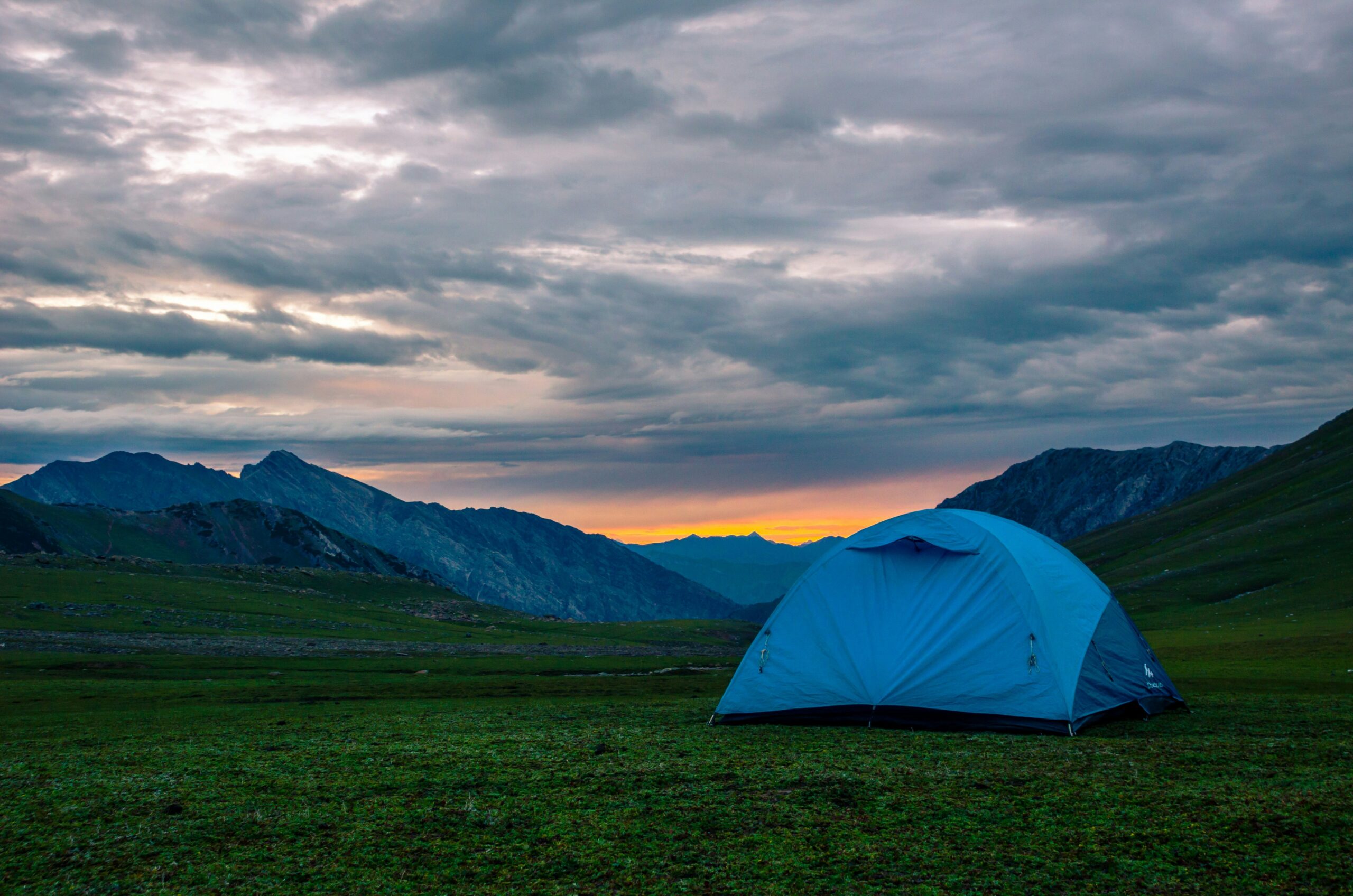
Last weekend, I watched my neighbour struggle for nearly an hour trying to set up a massive canopy next to his compact teardrop trailer. The canopy was bigger than his camper, and honestly, it looked ridiculous. That’s when it hit me – a lot of folks don’t realize that when you’re camping with a small camper, size matters when it comes to your outdoor shelter.
If you’re rolling with a small camper and looking for the perfect canopy to extend your living space, you’re in the right place. Let’s dive into everything you need to know about camping canopies for small campers.
What Exactly is Small Camping?
Small camping is all about embracing a minimalist, mobile approach to the outdoor experience. Instead of hauling around a 30-foot RV that requires a heavy-duty truck, small camping focuses on compact, lightweight camping setups that are easy to tow and maneuverer.
Think teardrop trailers, pop-up campers, small travel trailers under 20 feet, truck bed campers, or even van conversions. These nimble rigs let you access remote camping spots that bigger RVs can’t reach, use less fuel, and are generally easier on your wallet.
The beauty of small camping is the freedom it gives you. You can pull into a national forest campsite, squeeze into that perfect spot by the lake, or even boondock in places where larger campers fear to tread. But here’s the thing – your living space is limited, which is exactly where a good camping canopy comes in.
Understanding Small Campers
A small camper typically falls into one of these categories:
Teardrop Trailers: These adorable, aerodynamic trailers usually sleep two people and weigh between 1,000-3,000 pounds. They’re perfect for weekend warriors who want a cozy sleeping space and basic shelter.
Pop-Up Campers: These fold-down trailers expand when you set up camp, offering more space than you’d expect. They typically sleep 4-6 people and are still light enough to tow with most SUVs.
Small Travel Trailers: Anything under 20 feet usually qualifies as “small” in the RV world. These offer more amenities but maintain that easy-to-tow advantage.
Truck Campers: These units mount directly onto your pickup truck bed, making them incredibly versatile for off-road adventures.
What all these have in common is limited interior space. You’ve got sleeping quarters covered, but what about cooking, hanging out during a rainstorm, or storing your muddy gear? That’s where your canopy becomes essential outdoor real estate.
Why You Need a Canopy for Small Camping
I’ll be honest – I used to think canopies were overkill. Then I spent a rainy weekend trapped inside my teardrop trailer with my wife and our wet dog. Never again.
A camping canopy extends your usable living space significantly. It gives you a covered area for cooking, dining, relaxing, or just getting out of the sun. When you’re working with limited square footage inside your camper, that outdoor room becomes crucial.
Plus, canopies protect you from the elements without forcing you to retreat indoors. Morning coffee tastes better when you’re not huddled inside a cramped camper, and meal prep is way easier when you have actual elbow room.
How to Choose the Right Canopy for Your Small Camper
Choosing a canopy isn’t rocket science, but there are some things you need to get right. Here’s what I’ve learned after years of camping and a few expensive mistakes.
Size Matters (But Bigger Isn’t Always Better)
This is where most people mess up. Your canopy should complement your camper, not dwarf it. For a teardrop trailer, a 10×10 canopy usually works perfectly. Pop-ups can handle 10×12 or even 10×15 depending on your campsite setup.
Measure your typical camping footprint before you buy. Consider that most campsites have size limits, and you don’t want your canopy extending into neighbouring sites or violating campground regulations. I usually aim for a canopy that’s roughly the same width as my camper or slightly larger.
Weight and Portability
Remember, you’re already towing a camper. Every pound counts. Look for canopies made with lightweight aluminium frames rather than heavy steel. The whole setup should be manageable – if you can’t lift it yourself, it’s probably too heavy for small camping.
I always check the packed weight and dimensions. The canopy should store easily in your tow vehicle or camper without eating up all your gear space. Some canopies pack down to the size of a golf bag, which is perfect for small camping setups.
Setup Speed and Complexity
After a long day of driving, the last thing you want is a complicated setup. Pop-up canopies are your friend here. I can set up my current canopy in about five minutes solo, and that includes staking it down.
Look for canopies with color-coded poles, simple button mechanisms, and clear instructions. Avoid anything that requires threading poles through fabric or assembling a million small pieces. Trust me, you’ll thank yourself when you’re setting up in fading daylight or sketchy weather.
Durability and Weather Resistance
Your canopy needs to handle whatever nature throws at it. Check the fabric rating – at minimum, you want water-resistant polyester with a decent waterproof coating (1000mm or higher). For serious weather protection, look for canopies with reinforced stitching and taped seams.
The frame matters too. Powder-coated aluminium resists rust better than cheap steel. Check the joint construction – pinch-free buttons and reinforced corners last longer than flimsy connections.
Wind is your canopy’s worst enemy. Look for models with reinforced truss bars and multiple guy-line attachment points. I never camp without proper stakes and additional tie-downs, even if the weather looks perfect.
Versatility and Features
The best canopies for small camping offer flexibility. Removable sidewalls are fantastic – they give you privacy, wind protection, and bug screening when you need it, but you can take them off for open-air vibes.
Adjustable legs are another feature I won’t skip. Being able to set different heights helps you adapt to uneven terrain and changing sun angles. Some canopies even offer peaked tops that shed rain better and give you more headroom.
Look for built-in features like gear pockets, lantern hooks, and ventilation panels. These small touches make a big difference when you’re actually using the canopy day after day.
Key Considerations When Selecting Your Canopy
Beyond the basic features, here are some practical considerations that’ll help you make the right choice.
Your Camping Style
Are you a weekend warrior who hits established campgrounds, or do you prefer dispersed camping in remote areas? Car campers can get away with heavier, more feature-rich canopies. BoonDockers need lightweight, packable options that won’t eat up precious cargo space.
Think about your typical camping conditions too. Beach camping demands different features than mountain camping. Coastal areas need serious wind resistance and UV protection, while forest camping might prioritize bug screening and rain coverage.
Attachment Options
Some small campers have built-in awning mounts or attachment points. If yours does, consider canopies designed to connect directly to your camper. This creates a seamless covered area and provides extra stability.
For standalone canopies, think about placement. You want it close enough to your camper for convenience but positioned to maximize shade and weather protection throughout the day. I usually set mine on the side that gets afternoon sun.
Budget Reality Check
Quality canopies range from around $100 for basic models to $500+ for premium options. Here’s the thing – this is one area were spending a bit more often pays off. A cheap canopy that collapses in the wind or leaks in the rain isn’t a bargain.
That said, you don’t need the most expensive model unless you’re camping in extreme conditions. A solid mid-range canopy ($200-300) will serve most small campers perfectly well.
Storage and Transport
Where will you store the canopy when you’re not camping? And how will you transport it? Some canopies come with wheeled bags that make transport easier. Others pack into compact carrying cases that fit in overhead storage.
Consider your home storage situation too. If you live in an apartment or have limited garage space, a compact canopy design becomes even more important.
Ease of Maintenance
Camping gear gets dirty – that’s just part of the deal. Look for canopies with fabric that’s easy to clean and frames that don’t require constant maintenance. Removable, machine-washable sidewalls are a nice bonus.
Check replacement part availability too. Quality brands usually offer replacement canopy tops, poles, and connectors. This extends your canopy’s life and saves money in the long run.
Common Mistakes to Avoid
Let me save you from some rookie errors I’ve either made myself or watched others make.
Don’t skip the stakes and tie-downs. Even on a calm day, wind can come out of nowhere. I’ve seen too many canopies tumbling across campgrounds like giant tumbleweeds. Stake every corner and use guy lines whenever possible.
Don’t leave your canopy up in severe weather. If serious storms are rolling in, take it down. No canopy is designed to withstand hurricane-force winds, and your $300 shelter isn’t worth risking injury if it becomes airborne.
Don’t forget about clearance. Check for overhead hazards like tree branches before setting up. Also consider fire safety – keep your canopy away from fire pits and grills.
Don’t assume one size fits all. Just because your buddy’s canopy works great for their setup doesn’t mean it’ll work for yours. Every camping rig has different needs.
My Top Tips for Canopy Success
After countless camping trips, here’s what I’ve learned works best:
Practice setup at home before your first trip. Seriously, do it in your driveway. You’ll figure out the quirks and learn the process without the pressure of approaching darkness or bad weather.
Invest in quality stakes. The stakes that come with most canopies are garbage. Spend $20 on proper camping stakes rated for your soil type.
Create a dedicated canopy kit with everything you need: stakes, mallet, extra guy lines, repair tape, and a small tarp for ground protection. Keep it all together so nothing gets forgotten.
Orient your canopy thoughtfully. Think about sun movement, prevailing winds, and traffic flow in your camping area. A little planning makes a huge difference in comfort.
Learn basic repairs. Carry duct tape or repair patches. Knowing how to fix a small tear or replace a broken pole connector can save a camping trip.
The Bottom Line
Choosing the right camping canopy for your small camper really comes down to matching the shelter to your specific needs. Consider your camper size, camping style, typical weather conditions, and budget. Prioritize easy setup, appropriate sizing, and quality construction over fancy features you’ll never use.
The perfect canopy transforms your small camping experience from cramped too comfortable. It gives you that crucial outdoor living space where some of the best camping memories happen – morning coffee, evening card games, cooking in the rain, or just lounging with a good book.
Take your time, do your research, and don’t be afraid to ask other small campers what works for them. The camping community is incredibly helpful, and most folks are happy to share what they’ve learned.
Now get out there and enjoy that extended living space. Your small camper adventure is about to get a whole lot more comfortable.
Happy camping and may your canopy always stay put in the wind!